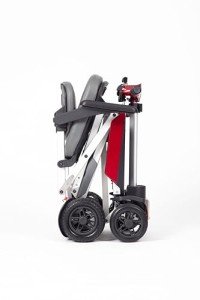
20 Myths About Compact Mobility Scooters: Debunked
Embracing Freedom: A Comprehensive Guide to Compact Mobility Scooters
As the world continues to welcome development and inclusivity in transport, compact mobility scooters have emerged as a pivotal alternative for individuals who seek independence and mobility. These active devices are designed for those with restricted mobility and have actually become significantly popular among seniors, people with specials needs, and anyone requiring support in navigating. This article looks into the nuances of compact mobility scooters, their benefits, types, and whatever one requires to know to make an informed choice.
- * *
What are Compact Mobility Scooters?
Compact mobility scooters are small, lightweight variations of standard mobility scooters, engineered for easy transport and maneuverability. They come equipped with features that deal with city environments, such as narrower frames and tighter turning radii, making them ideal for indoor and outdoor usage. Whether you need a mobility scooter for running errands, socializing, or merely delighting in a day out, these scooters make such activities accessible.
Table 1: Key Features of Compact Mobility Scooters
Feature
Description
Size
Typically in between 3-4 wheels; compact design
Weight
Lightweight variations frequently weigh 80-100 pounds
Battery Range
Can normally travel up to 15-25 miles
Speed
Average speeds of 4-7 mph
Turning Radius
Smaller turning radius for metropolitan dexterity
Portal Accessibility
Ability to fit through standard entrances
Mobility
Quickly taken apart for transportation
- * *
Advantages of Using Compact Mobility Scooters
1. Boosted Mobility
Compact mobility scooters offer users the liberty to browse environments that may otherwise be difficult or unattainable.
2. Liberty and Independence
Numerous users report a substantial boost in their ability to run errands or interact socially thanks to these scooters, which promote independence.
3. Portability
Many compact mobility scooters can be easily dismantled into lightweight parts, making them hassle-free for travel in cars and trucks or public transportation.
4. Affordable Solution
Compared to powered wheelchairs, compact scooters often feature lower cost, making them an economical option for many.
5. Improved Quality of Life
With improved mobility comes increased opportunities for engagement with household, friends, and social activities.
- * *
Types of Compact Mobility Scooters
Selecting the ideal compact mobility scooter hinges on understanding the various types available in the market. Here's a breakdown:
1. Travel Scooters
- Description: Lightweight and easily disassembled, they are developed for individuals who are frequently on the move.
- Use Case: Ideal for getaways or short trips.
2. 3-Wheel Scooters
- Description: Emphasizing maneuverability and density.
- Usage Case: Best for indoor use and tighter spaces.
3. 4-Wheel Scooters
- Description: Offer more stability and can manage rougher surface.
- Usage Case: Suitable for outdoor expeditions and uneven paths.
4. Heavy-Duty Scooters
- Description: Engineered for much heavier individuals, typically with higher weight capacities.
Usage Case: Ideal for users needing strength and support.
- *
Essential Considerations When Choosing a Scooter
Before purchasing, it's essential to examine different elements that might impact the choice. Here are key factors to consider:
1. User's Mobility Needs
Consider the specific mobility limitations of the user, in addition to the typical environments where the scooter will be used.
2. Weight Capacity
Guarantee the scooter can securely accommodate the user's weight, consisting of any extra products they may carry.
3. Battery Life
Evaluate how far the scooter can travel on a single charge, especially if it will be used for prolonged trips.
4. Portability
Examine how rapidly the scooter can be taken apart and the weight of the individual parts if travel is a concern.
5. Safety Features
Look for functions such as headlights, turn signals, and anti-tip mechanisms for enhanced safety.
- * *
Frequently asked question Section
Q1: How do I preserve a compact mobility scooter?
A: Regular maintenance includes examining tire pressure, cleaning the battery terminals, and ensuring all moving parts are lubricated. Always refer to the maker's particular standards.
Q2: Are compact mobility scooters covered by insurance coverage?
A: Coverage can vary based upon your insurance coverage policy and state policies. mouse click the next internet page might cover a part of the expense if recommended by a doctor.
Q3: Can I utilize my mobility scooter on public transport?
A: Many public transportation systems enable mobility scooters, but it's a good idea to check particular guidelines and size constraints for each mode of transport.
Q4: How do I carry my scooter?
A: Most compact mobility scooters are designed to be easily taken apart. This makes it simple to transport in automobiles or save away when not in use.
Q5: What is the common cost range for a compact mobility scooter?
A: Prices can vary extensively based on functions and brand name but typically variety from ₤ 600 to ₤ 3,000.
- * *
Compact mobility scooters represent the intersection of convenience, flexibility, and development in accessible transportation. With different types available, users are empowered to select devices that cater to their distinct mobility requirements. By considering aspects like weight capability, battery life, and portability, individuals can improve their quality of life, keep self-reliance, and broaden their horizons. With the best compact mobility scooter, the world ends up being a more accessible place.